
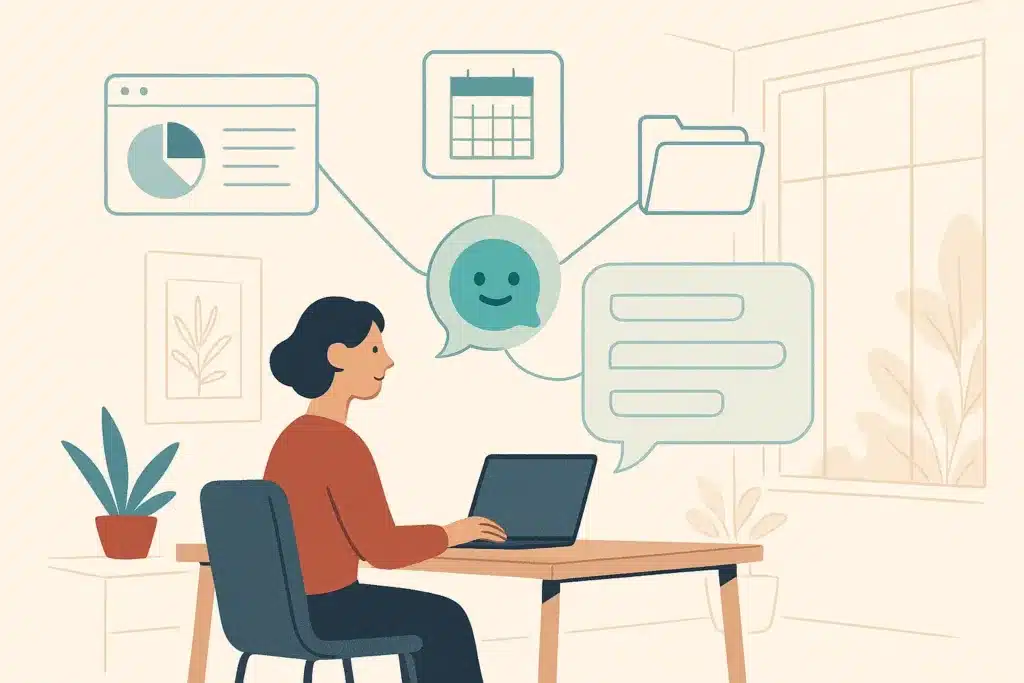
A support inbox fills up with the same fifteen questions every day: hours, pricing, availability, order status. Your team retypes answers while real leads sit in the queue past closing time. A custom AI chatbot handles that repetitive load, cutting manual work and the need to answer the same question twice. It connects to your actual booking system, CRM, and internal docs instead of running a generic script. This article covers what separates a custom chatbot build from off-the-shelf widgets, where it pays off, what it costs, and how to get a chatbot for your website scoped and deployed.
What a custom AI chatbot is and how it differs from off-the-shelf bots
An off-the-shelf widget runs the same fixed flow for every business that installs it. A custom ai chatbot is scoped around your workflows, your product data, and your rules, so it does more than repeat your help docs back to visitors. The difference is grounding: it answers from your documents and systems, not generic internet knowledge. For how conversational ai systems reason and where they fail, the National Institute of Standards and Technology's AI guidance is a solid, vendor-neutral starting point. For a closer look at what this looks like in practice, custom AI chatbots built for small and mid-size businesses cover the same ground in more depth.
A custom chatbot built around your ops, data, and workflows
A template bot disappoints for a simple reason: your business doesn't operate like a template. A custom chatbot is wired to your business data, knows your pricing tiers, service areas, and booking windows, and follows your lead qualification steps instead of a generic script. Bespoke Mind Ai treats custom ai chatbot development as a way to connect the bot to internal systems so it enforces real rules and can help generate more leads from existing traffic. One example of this in action is ChikooChat, our custom lead-qualification chatbot, which screens and routes leads the way a trained rep would. For where AI adoption is heading, McKinsey's research on generative AI tracks how businesses are deploying these systems.
Where a custom chatbot pays off: lead qualification, booking, and support
Three jobs justify the spend. Lead qualification: the bot asks the same screening questions your sales team would, scores the lead, and routes hot ones to a human, which is often how a well-built chatbot can help generate more leads after hours. Booking automation: it checks availability and confirms appointments directly. Customer support: it answers the repetitive questions that eat your team's day, letting a lean team scale support without adding headcount.
How it connects to your existing tools and systems
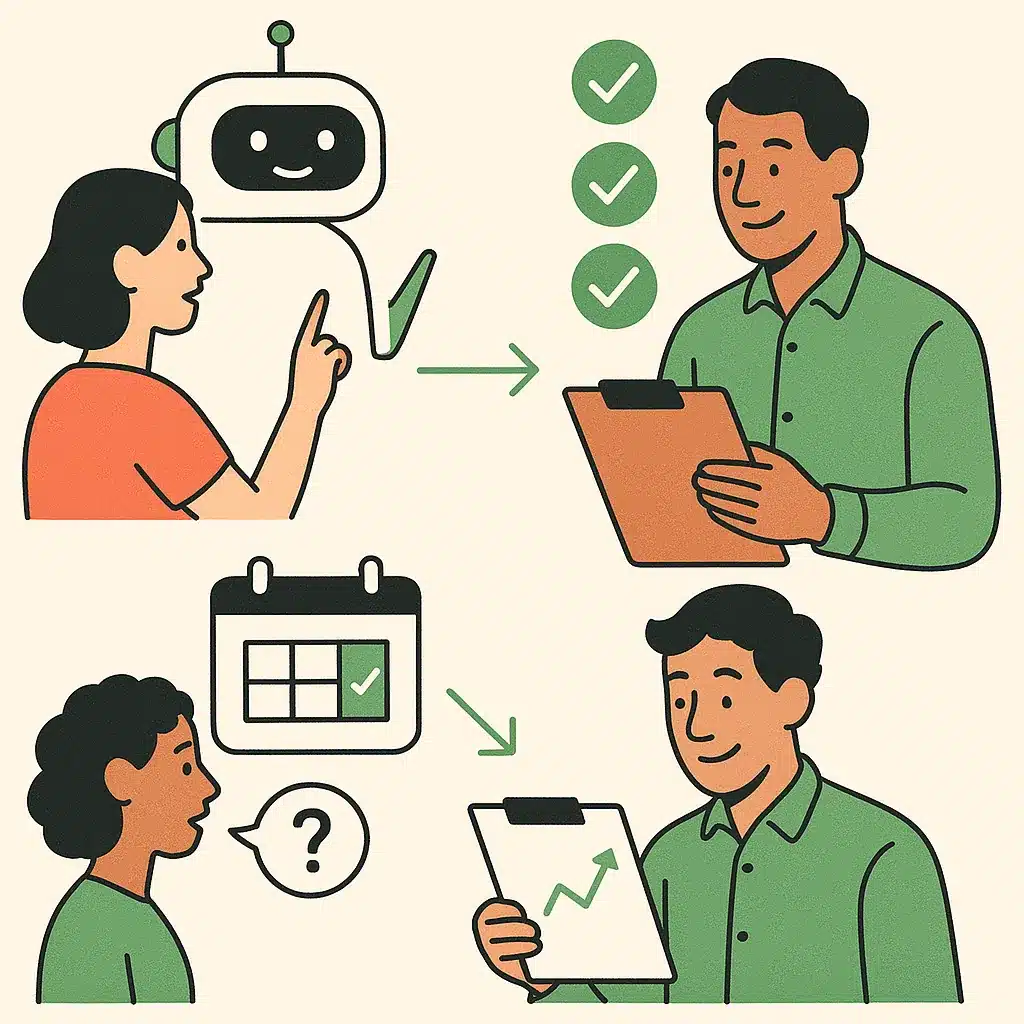
A chatbot that can't reach your systems is just a fancier FAQ page. The value comes when it can integrate with existing systems like your CRM, your calendar, your order database. A bot wired into HubSpot writes qualified leads straight into your pipeline. One connected to your booking tool confirms slots without a human touching it. The useful ones work across your stack, supporting operational efficiency instead of adding another tab for someone to check.
How to get started: the build-and-deploy path
You don't need to treat a plan to build a custom ai chatbot like one giant leap. The sensible path starts with a discovery call to map which questions and tasks actually repeat, then scopes a first version around the highest-volume pain. From there, you train your chatbot on real documents, pricing, and policies as part of broader workflow automation, test it against known questions, and deploy a chatbot on your site in a controlled rollout. Start narrow, prove value, then expand what it automates as demand grows. Before committing, it helps to see how we scope and build a custom AI system, since the process is designed to be transparent from the first call.
Fixed-price scope, timelines, and what a build actually costs
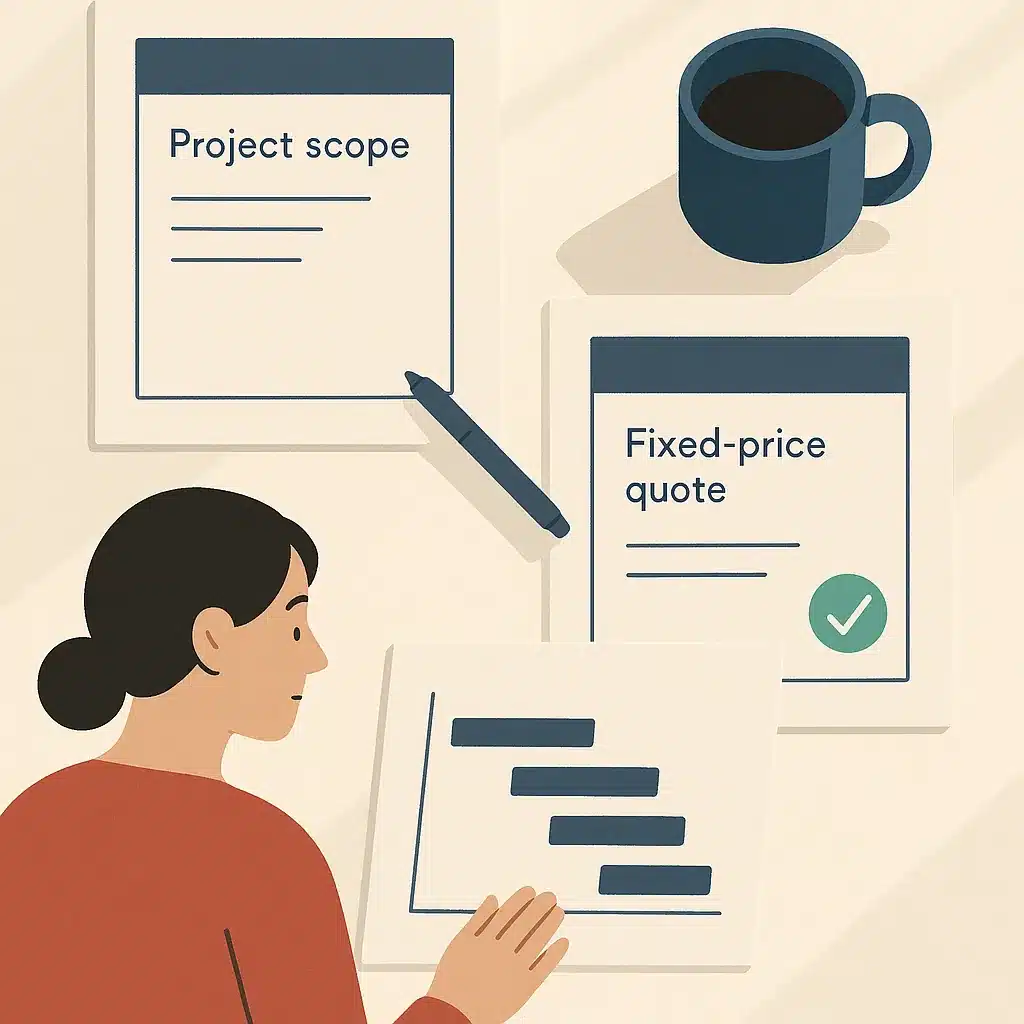
A basic FAQ bot typically runs $5,000 to $15,000. Once you add booking logic or CRM connections, you're into the tens of thousands, because the engineering is real and the testing matters. The trade-off: a fixed-price build gives you a defined scope and a known number, instead of an open-ended hourly bill that creeps. Bespoke Mind Ai offers pricing plans built on a fixed-price build model so a small business knows the cost and scope before work begins, no surprise invoices. Before signing off on a budget, it's worth weighing whether an AI chatbot could pay off for your business, since the math looks different depending on your volume of repeat questions.
Accuracy, grounding, and avoiding hallucinations
A bot that invents answers is worse than no bot. The fix is grounding: retrieval that pulls accurate answers from your real documents instead of guessing, plus anti-hallucination guardrails that stop the bot when it's outside its knowledge. A well-scoped build routes anything uncertain to a human instead of bluffing. Accuracy comes down to engineering choices, not which model brand powers the bot.
Skeptical FAQs about custom AI chatbots
The common worry is that a chatbot either replaces people or embarrasses the brand. Neither is the goal of a sane build. A good chatbot handles the repetitive layer so your team focuses on judgment calls, which can support operational efficiency instead of cutting headcount. Rules around disclosure and data handling also vary by state, so check your state's consumer protection and data privacy statutes, or ask a qualified professional before you deploy a chatbot that collects personal information.
Next step: book a discovery call to scope your chatbot
The fastest way to know whether a custom AI chatbot fits is to map your repeat questions against the labor they cost. If your team answers the same things all day or loses leads after hours, a scoped build may earn its keep. If your traffic is light, a simple form might do, and an honest partner will tell you that. A discovery call sorts which case you're in before anyone quotes a build.
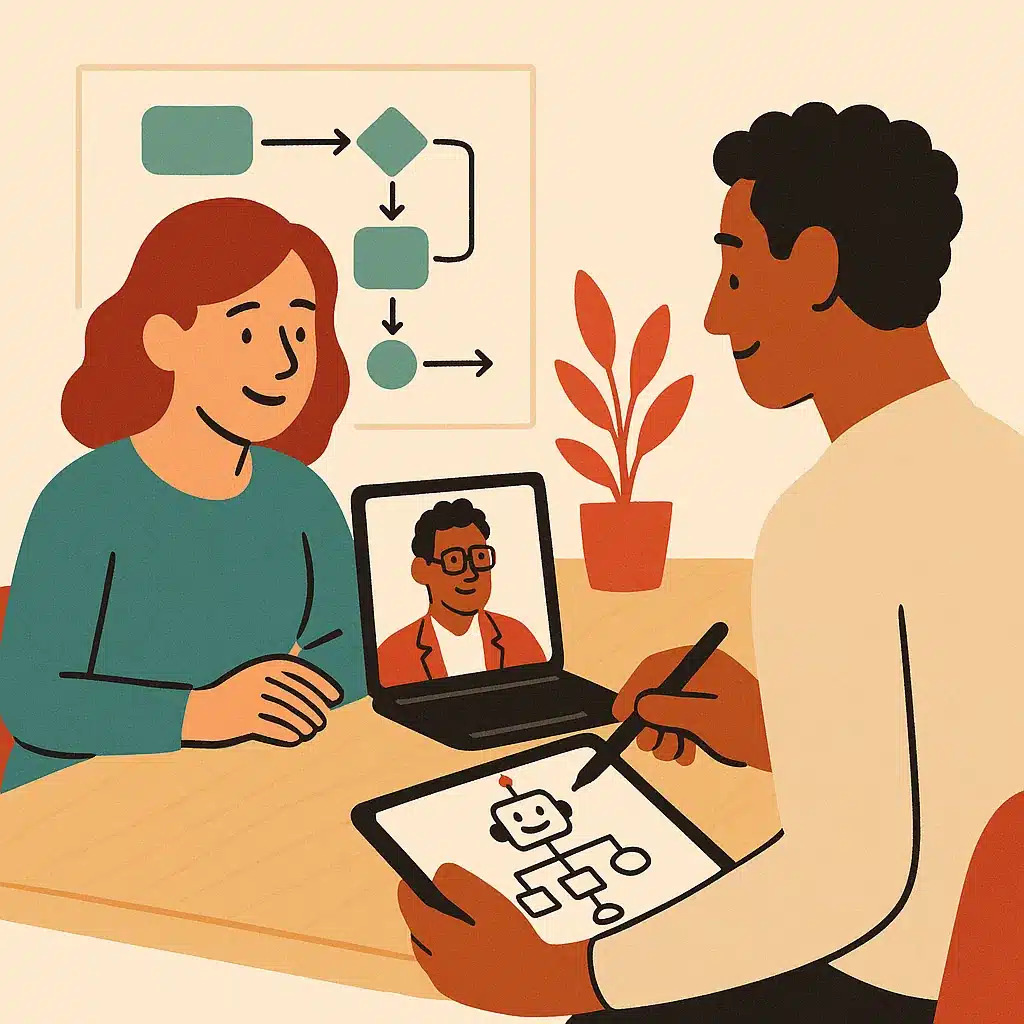
If repetitive questions are slowing your team down or leads are slipping through after hours, a short conversation with the Bespoke Mind Ai team can pinpoint where a custom chatbot (or a simpler automation) would actually help. You can book a discovery call to scope your chatbot and walk away with a clear, practical view of the fixed-price options and what each would automate.
Frequently Asked Questions
Can I build my own AI chatbot instead of hiring someone?
Yes, if your needs are simple enough for a no-code builder like Tidio or a GPT wrapper tool, you can set one up yourself in a day. The moment you need it to pull live data from your CRM, booking system, or internal docs, you're usually better off with a built system since DIY tools hit a ceiling fast.
Is it actually legal to use an AI chatbot on my website?
Yes, there's no law against deploying an AI chatbot in the US, but you do need to follow existing rules around data privacy, consumer disclosure, and in some states, telling users they're talking to a bot. The risk isn't legality, it's mishandling customer data or making promises the bot can't keep without a human fallback.
Can I get a custom AI chatbot built for free?
Free tools exist, but they're template-based and cap out at generic FAQ answering with your branding slapped on. A chatbot trained on your actual product data, pricing rules, or booking logic requires either development time or a paid platform, so 'free' usually means 'basic.'
Is a custom AI chatbot overkill for a small business, or actually worth the spend?
It depends on your repeat-question volume: if your team is manually answering the same 10-15 questions daily or losing leads after hours, a chatbot pays for itself in labor hours saved. If your site gets light traffic and few repeat inquiries, a basic form or email may do the job just as well without the build cost.
What if the chatbot gives a customer wrong information?
This happens when a bot isn't properly grounded in your actual documents and policies, which is why retrieval-augmented setups (pulling answers from your real data instead of guessing) matter. A well-scoped build includes guardrails and a clear handoff to a human when the bot hits a question outside its training.
How is a custom AI chatbot different from the free widget tools out there?
Off-the-shelf widgets run on fixed flows and templated FAQ scripts that work the same for every business that installs them. A custom build is scoped around your specific workflows, like lead qualification steps, booking rules, or your CRM fields, so it does more than repeat your help docs back to visitors.
Does a custom chatbot replace my customer support team?
No, it handles repetitive, pattern-based questions (hours, pricing, availability, order status) so your team isn't retyping the same answers all day. Anything requiring judgment, negotiation, or an upset customer still needs a human, and a well-built bot should route those cases there automatically.
Can a chatbot actually be built to connect with my existing booking or CRM system?
Yes, this is the main difference between a basic FAQ bot and an operational one. A custom build can be wired into tools like Calendly, HubSpot, or your internal booking system so it's confirming appointments or qualifying leads directly, not just answering questions and leaving the follow-up work to your team.